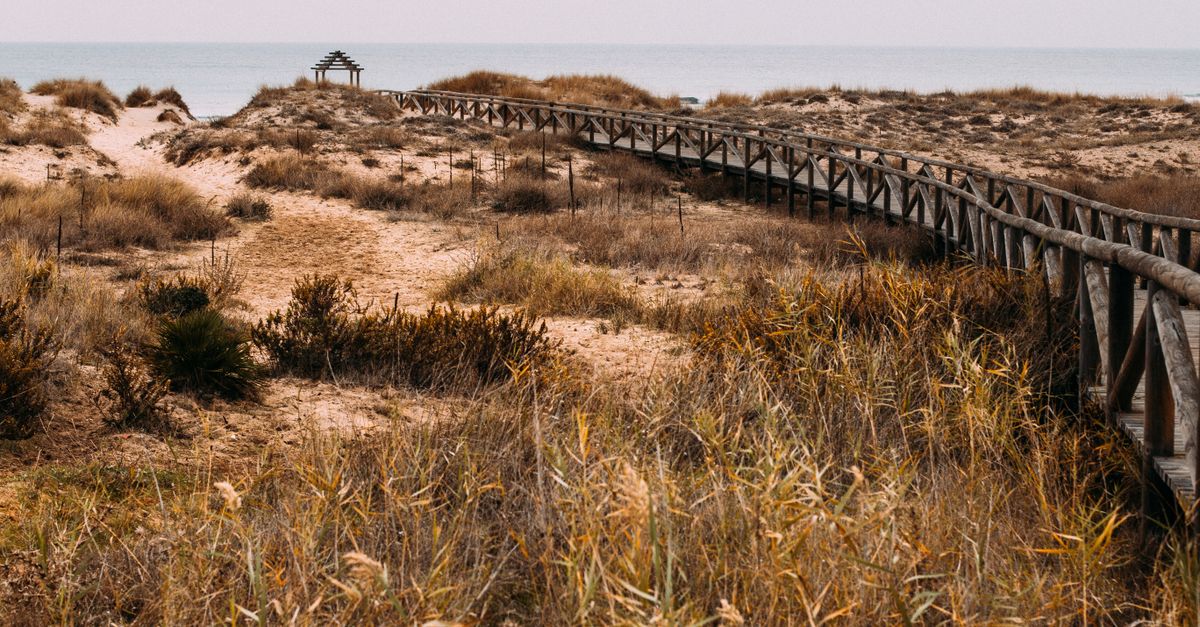
Living on Amelia Island means full-time life on Florida's northernmost Atlantic barrier island, 35 miles north of downtown Jacksonville. Day to day that looks like 13 miles of beaches, a bridge crossing for the airport and the bigger errands, hurricane season from June 1 through November 30, and a homestead exemption that can reduce taxable value for a qualifying permanent residence.
Visiting teaches you the island's best weekend. Living here teaches you its Tuesday.
What is it like to live on Amelia Island?
Life on Amelia Island means a stop at the beach before work on an ordinary Tuesday. Main Beach at seven in the morning is a different place than Main Beach at noon.
Main Beach has volleyball courts and picnic areas. Try an early visit and see whether a beach stop fits your own morning.
Twenty minutes is enough.
You're back in the driveway with sand in the floor mats and the whole day still in front of you. That's the first thing that changes when you move here. The beach stops being an event you plan and turns into something you do on the way to something else.
How does the mainland drive shape a week here?
Everything that isn't on the island sits on the other side of a bridge, and that shapes a week here more than anything else does.
Downtown Jacksonville is 35 miles south. Jacksonville International Airport is closer than the city at 25 miles.
Try batching. Put the specialist appointment and the warehouse run on the same day as the airport pickup instead of scattering them across the week.
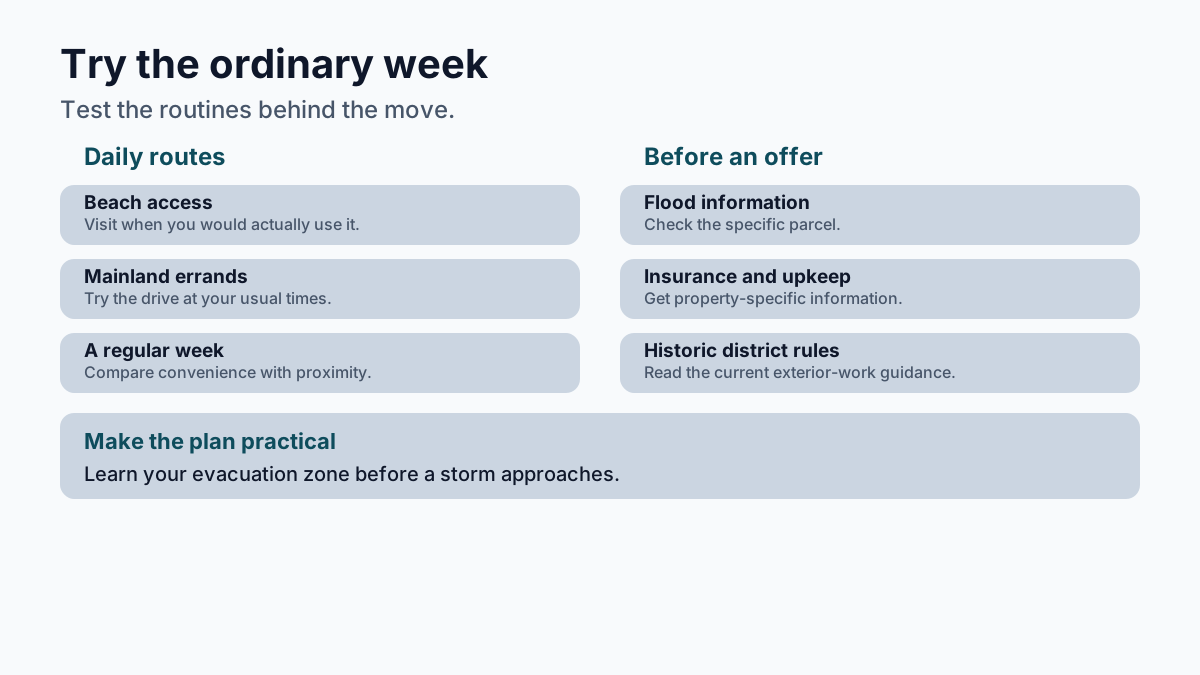
Be honest with yourself about frequency before you buy. Try the mainland drive at the times you would actually make it, whether that means four days a week or one.
Then there's the drive back. The marsh on both sides of the road turns copper about an hour before dark, and you'll catch yourself slowing down for it long after the novelty should have worn off.
Does the beach stay part of daily life?
Yes, and access is what makes it stick.
The island has 13 miles of beaches and more than 40 public beach access points. The crowded lot at the main park is a choice. Pick a walkover you like and try it at the times you would use it.
The north end holds the other half of the outdoor life. Fort Clinch State Park pairs a historic fort with trails and beach access. The tourism bureau describes reenactments of life in 1864. A visit need not be only about the fort.
The island's history sits on the daily map too. American Beach, down the island, was founded in 1935 by A.L. Lewis of the Afro-American Life Insurance Company as a beach and resort created in response to Florida's segregation laws. You pass it on an ordinary errand. Knowing what happened there is part of knowing where you live.
What does hurricane season change here?
Hurricane season puts a fixed window on the calendar, and May is a useful time to make your plan before it opens. The Atlantic hurricane season runs June 1 through November 30. On a barrier island, that window shapes the year.
Make the preparation practical. Check panels and shutters before a storm is approaching. Learn your evacuation zone when nothing is happening. Keep the papers you would actually grab in one place.
The flood map belongs at the front of the buying decision. For city properties, Fernandina Beach's Flood Protection page links an address-search tool with flood zones and elevation information. Check the specific parcel and discuss the insurance quote before an offer goes out.
That's planning, the same way other places plan for ice or wildfire. It's also where a good agent earns the fee, by putting the flood zone and the insurance conversation on the table in week one instead of at the inspection.
What does full-time living cost that visiting doesn't?
Full-time living here changes two sets of numbers: eligibility for a homestead exemption on the tax bill, and the insurance and upkeep questions that come with a coastal home. Florida's homestead exemption can reduce a qualifying permanent residence's taxable value. Ask the property appraiser what applies to your ownership and tax year.
Other numbers deserve a closer look. Have the roof, exterior metal, and major systems inspected, then get insurance quotes for the particular property.
Get those figures early and in writing, before the emotional part of the search takes over. Getting those numbers in front of you before you fall in love with a house is most of what an agent is for.
What rules cover exterior changes in the historic district?
The city's Historic District Design Guide sets the rules for exterior changes in the historic district, and it was updated in July 2026. If the house you want sits inside the historic district, the rules about what you can change on the outside of it are their own subject.
The Fernandina Beach City Commission adopted an updated Historic District Design Guide on July 21, 2026, replacing a version that had not been updated since 2013. Anyone planning windows or a porch rebuild should read the current one before ordering materials.
That's a limit. It's also why the street still looks like itself while the houses along it change hands.
Is Amelia Island a good place to live?
Yes, if you'd rather be close to the water than close to the errands. Living here costs you convenience and buys you proximity.
Compare the errands you make with the beach access you'd actually use.
If you're weighing the island against Yulee or somewhere else on the mainland, I'm glad to walk you through how each one actually lives, hour by hour, rather than how it photographs.
A visitor packs the beach into a weekend. A resident keeps a towel in the trunk and never takes it out.
Frequently asked questions
Do I need flood insurance if I live on Amelia Island?
The answer depends on the specific property, lender, and insurer. Check the parcel's flood information before writing an offer, and ask your insurance agent what coverage is required and available. For city properties, Fernandina Beach's Flood Protection page links a public address-search tool.
Does Florida's homestead exemption apply to a second home?
Florida's homestead exemption applies to a qualifying permanent residence, including in some cases a dependent's permanent residence. A house kept only as a second home does not qualify on that basis. Ask the property appraiser for the current exemption and application requirements.
What is the practical difference between living on the island and living in Yulee?
Yulee sits on the mainland, so a resident there drives toward the island instead of off it, while every mainland trip from the island crosses a bridge. On the island the beach and the historic district sit on the daily route. From Yulee, both are a drive.
What should you know before moving to Fernandina Beach?
Learn the hurricane season dates, June 1 through November 30, and your evacuation zone on a quiet day, before anything is happening. Check the parcel's flood information and discuss coverage with your insurance agent before an offer goes out. If the house sits in the historic district, read the city's updated Historic District Design Guide before planning any exterior work.
What changes day to day after moving to Amelia Island?
The beach stops being an event you plan and becomes part of the morning before work, with more than 40 public access points to choose from. Consider batching mainland trips: downtown Jacksonville is 35 miles away and the airport is closer at 25 miles. Plan storm preparation before the June 1 start of hurricane season.
Sources reviewed
- City of Fernandina Beach — Historic District Design Guide update
- Amelia Island CVB homepage
- Amelia Island CVB beach guide
- CVB Main Beach guide
- NOAA What is a hurricane
- City flood protection and parcel lookup
- City visiting page: Fort Clinch
- Florida Statutes 196.031 — qualifying permanent residence homestead exemption