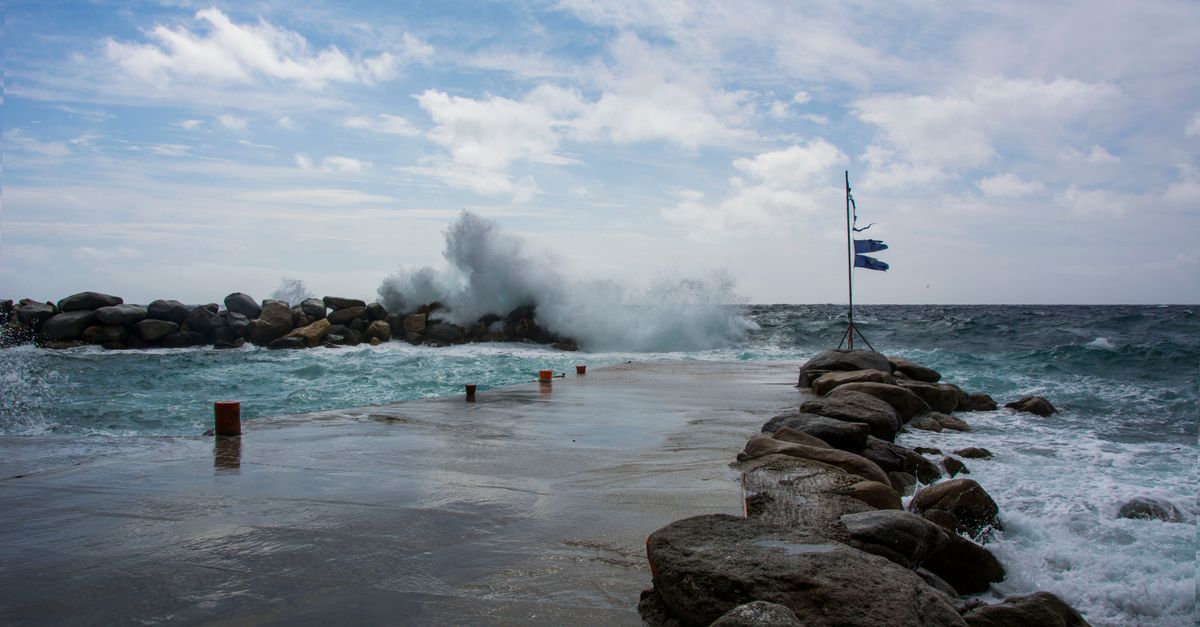
Fishing at Fort Clinch State Park is shoreline fishing. Anglers cast the Atlantic surf and work the St. Marys Inlet beach out to the jetty rocks, reached from the east and west inlet parking areas. The park's ocean fishing pier was removed in June 2017. Entry is $6 per vehicle, and no licenses, bait, or tackle are sold inside the gate.
The park sits on the northern tip of Amelia Island at 2601 Atlantic Avenue, where the ocean meets the St. Marys Inlet. Its size is quoted two ways for a reason. The park's visitor page gives 1,400 acres, the dry-land figure most people see, while the state's own management plan puts the total at 2,178.20 acres once roughly 660 acres of salt marsh and another 119 acres of estuarine and marine bottom are counted. Most of the acreage nobody walks on is water you can fish. The state first acquired the land on September 20, 1935 and has held it since under a 99-year lease running to January 22, 2067. It was also one of eight original parks built by the Civilian Conservation Corps, with a pre-Civil War fort at its center listed on the National Register of Historic Places. For an angler, the practical result of that long public ownership is a run of surf and inlet shoreline with nothing built along it.
Where can you fish at Fort Clinch State Park?
The fishing at Fort Clinch happens in two places: the Atlantic surf, worked off the open beach, and the St. Marys Inlet shoreline running out toward the rock jetty, with parking on both the east and west inlet lots. Those two areas carry the park: plain surf fishing on the Atlantic side, and bank fishing along the inlet out to the rocks. Depending on the season, anglers take redfish, black drum, whiting, flounder, mullet, sheepshead, sea trout, and the occasional grouper.
The inlet is the attraction and the hazard at the same time. So much water moves through St. Marys that swimming is prohibited on the beach near the inlet. Swimming is permitted in the Atlantic south of the jetty, though no lifeguard is on duty there. Fish the rocks if you like, but treat that prohibition as a standing instruction and keep anyone small well back from wet stone.
What happened to the Fort Clinch fishing pier?
Hurricane Matthew damaged the park's ocean fishing pier in October 2016, and it was closed, then taken apart and removed by June 2017. People still show up expecting to walk out over the water. "Right now we have removed the pier for public safety and environmental concern. The next step is permitting and design and funding," said Heath Alboher, the park's manager at the time, in March 2017. The removal of the 2,400-square-foot concrete pier, done with tugboats, cranes, and barges, was finished that June.
No replacement pier has been built, and no rebuild has carried a firm date since the 2017 removal. In March 2017, state park officials said rebuilding could take up to 10 years depending on funding, and the park took public comment on replacement plans through the Florida DEP website. Plan the trip around the beach and the bank.
Do you need a license to fish from shore?
Yes, Florida requires a saltwater license to attempt to take fish, including catch and release, from shore or a pier. Anglers younger than 16 are exempt, and Florida residents 65 and older may carry a free Resident 65+ Hunt/Fish Certificate, with proof of age and residency, instead of buying one.
Residents who fish saltwater species only from land, or from a structure attached to land, can get the free Saltwater Shoreline-Only Fishing License. It does not cover fishing from a boat or from an area you reach by boat, and it is not available to non-residents. Since Fort Clinch fishing now happens entirely from the sand and the inlet bank, that free resident license covers the way most people fish here.
One familiar exemption no longer applies. An angler fishing from a pier that holds its own valid saltwater pier license does not need an individual license. With no pier standing, every adult at Fort Clinch needs their own credential.
Buy it before you turn onto Atlantic Avenue. The park sells no licenses and no bait or tackle on site, and it is open 8 a.m. to sunset, so a forgotten spool of leader costs you a drive back into town and a second entrance fee.
What does a day at the park cost?
A day at the park costs $6 per vehicle carrying 2 to 8 people, $4 for a single-occupant vehicle, and $2 per pedestrian, cyclist, or extra passenger. An overnight stay adds a campsite at $26 per night plus tax.
| What you pay | Amount |
|---|---|
| Vehicle, 2 to 8 occupants | $6 |
| Single-occupant vehicle | $4 |
| Pedestrian, cyclist, or extra passenger | $2 |
| Campsite | $26 per night plus tax |
| Reservation fee, nonrefundable | $6.70 |
| Utility fee, non-tent sites | $7 per night |
Those entrance rates come straight from the park's fee schedule. The $2 walk-in or bike-in rate is the quiet bargain of the north end for anyone who lives close enough to pedal in with a rod.
If you want the first light of an outgoing tide without setting an alarm for the drive, the park has two campgrounds: the 42-site Amelia River Campground and the Atlantic Beach Campground, which holds 21 RV sites and 6 tent-only sites.
What does the park teach about choosing where to live?
The park teaches that access comes down to current specifics, such as the fee, the hours, and the rules, and that lesson applies well beyond fishing. Fort Clinch is one access point among many on this island. Public piers, ramps, bridges, and creek edges are their own inventory and their own conversation.
Proximity is only worth what the current rules allow. A pier that stood in 2016 came down in 2017. A gate that closes at sunset shapes what an evening looks like. Access that runs through a state park comes with a fee and an operating schedule, and access to a working inlet comes with real current. Anyone who tells you a location is convenient without naming those specifics is describing a memory of the place rather than the place.
That verification is most of my job on the buying side, and it is the part worth insisting on from any agent you work with: the current fee, the current rule, the current distance, checked rather than assumed. If you are weighing the north end against something closer to historic downtown, I am glad to help you compare what each address actually gives you on an ordinary Tuesday morning.
Ask a home the same question a careful angler asks a park. What is here now, and what is only remembered?
Frequently asked questions
Where are the best fishing spots in Fernandina Beach, Florida?
Inside Fort Clinch State Park, the productive water is the Atlantic surf and the St. Marys Inlet shoreline out toward the jetty rocks, with parking at the east and west inlet lots. Public shore access elsewhere on Amelia Island, including piers, ramps, and creek edges, is a separate inventory worth mapping before you go.
Is there still a fishing pier at Fort Clinch State Park?
No. Hurricane Matthew damaged the park's ocean fishing pier in October 2016, and removal of the 2,400-square-foot concrete structure was completed in June 2017. No replacement has been built and no rebuild carries a firm date, so fishing at Fort Clinch is done from the Atlantic surf, the St. Marys Inlet shoreline, and alongside the jetty rocks at the east and west inlet parking areas.
What fish can you catch at Fort Clinch State Park?
Depending on the season, anglers take redfish, black drum, whiting, flounder, mullet, sheepshead, sea trout, and the occasional grouper. All of it is caught from the Atlantic surf or the St. Marys Inlet shoreline out to the jetty rocks, since the park's pier was removed in 2017.
How much does it cost to get into Fort Clinch State Park?
Entry is $6 per vehicle with 2 to 8 occupants, $4 for a single-occupant vehicle, and $2 per pedestrian, cyclist, or extra passenger. The park is open 8 a.m. to sunset.
Does Fort Clinch State Park sell fishing licenses, bait, or tackle?
No. The park sells no licenses and no bait or tackle on site, so buy everything before you turn onto Atlantic Avenue. Florida residents who fish only from land, or from a structure attached to land, can get the free Saltwater Shoreline-Only Fishing License; it is not available to non-residents.
Can you swim where you fish at Fort Clinch?
Not near the inlet. Swimming is prohibited on the beach near the inlet because of the current moving through St. Marys, and it is permitted in the Atlantic south of the jetty, with no lifeguard on duty.
Sources reviewed
- Florida DEP - Fort Clinch State Park Unit Management Plan Executive Summary (acreage, acquisition date, lease)
- Florida DEP - Fort Clinch State Park Unit Management Plan Executive Summary (CCC history, historic register)
- FWC official boating guide - Fishing Piers: Fort Clinch State Park
- Action News Jax (Mar. 15, 2017) - Plans in place to replace Hurricane Matthew-damaged pier at Fort Clinch State Park
- Action News Jax (Mar. 17, 2017) - Visitors: Timeline too long for Ft. Clinch pier replacement
- Perry-McCall Construction - Ft. Clinch Fishing Pier Removal project page
- Florida Fish and Wildlife Conservation Commission (FWC) - Do I need a license or permit?
- FWC - Saltwater Shoreline-Only Fishing License FAQs